تشخيص الورم البطاني العصبي (المستشفى الكاثوليكي كوبلنز مونتابور)
المستشفى الكاثوليكي كوبلنز مونتابور
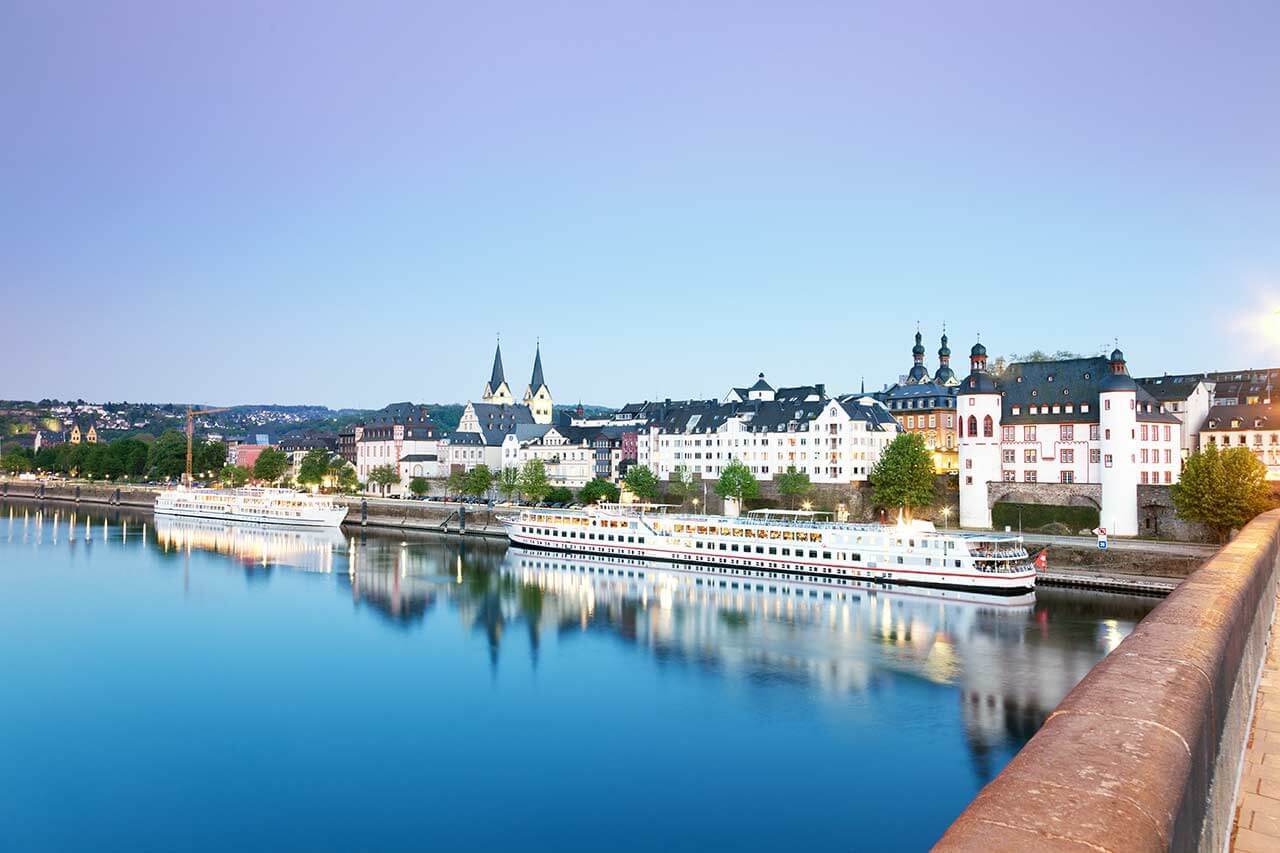
كوبلينتس, ألمانيا

 BookingHealth يبدأ السعر من:
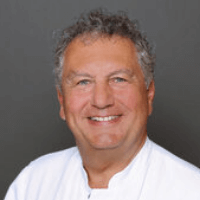
يقدم قسم جراحة العمود الفقري في المستشفى الكاثوليكي كوبلنز مونتابور مجموعة كاملة من طرق العلاج الفعالة في مجال تخصصه. يوجد فريق من الأطباء المؤهلين تأهيلاً عالياً في خدمة مرضى القسم، حيث يمتلكون في ترسانتهم طرق علاج محافظة وجراحية متقدمة للتغيرات المرضية في العمود الفقري. يتم إجراء العمليات الجراحية للعمود الفقري في غرف عمليات حديثة، حيث تسمح المعدات التقنية لجراحي العمود الفقري بإجراء كلاً من الجراحة المفتوحة الكبرى والتدخلات التجنيبية: المجهرية، وبالتنظير الداخلي، وطفيفة التوغل. يُستكمل العلاج الجراحي بدورة مخططة بعناية من العلاج الطبيعي. هذا يشمل إجراءات مثل التمارين العلاجية، والعلاج اليدوي، والتدليك، وعلاج اعتلال العظام، وما إلى ذلك. يتكون فريق أطباء القسم من 10 متخصصين مؤهلين تأهيلاً عالياً، والذين جنباً إلى جنب مع طاقم التمريض المتمرس، يستقبلون سنوياً أكثر من 1300 مريض داخلي. تم اعتماد المنشأة الطبية من قبل الجمعية الألمانية لجراحة العمود الفقري (DWG) كمركز متخصص من المستوى II. يبذل الفريق الطبي في القسم قصارى جهده لتزويد كل مريض بالعلاج الأمثل في جو لطيف وودود. كبير الأطباء في القسم هو الدكتور في الطب فرانسيس كيليان.
يُعد الانزلاق الغضروفي من أكثر أمراض العمود الفقري شيوعاً. يتطور المرض نتيجة لتمزق الحلقة الليفية للقرص بين الفقرات (القشرة العلوية) ونتوء جزء من النواة اللبية (الجزء الداخلي من القرص). المظاهر الرئيسية للانزلاق الغضروفي هي الآلام الشديدة في الظهر وتدهور حركة العمود الفقري. في كثير من الحالات، يستجيب الانزلاق الغضروفي بشكل جيد للعلاج المحافظ، ولكن يجب أن يكون المريض مستعد لحقيقة أن تحقيق نتيجة ناجحة من العلاج قد تستغرق وقتاً طويلاً. تشمل خيارات العلاج المحافظ وصف مسكنات الألم، والعلاج اليدوي (يستخدم طبيب متخصص للغاية مجموعة خاصة من الأساليب وتقنيات التدليك التي تؤثر على حركة أجزاء العمود الفقري)، والتدليك، والتمارين العلاجية، وطرق أخرى. إذا كانت دورة العلاج غير فعالة، ينظر جراح العمود الفقري في الخيارات الممكنة للعلاج الجراحي. يُعطي المتخصصون في القسم الأفضلية للجراحة بالتنظير الداخلي (استئصال القرص المجهري) إذا كانت المؤشرات السريرية للمريض تسمح بمثل هذا التدخل. الجراحة بالتنظير الداخلي هي أكثر الخيارات التجنيبية المتاحة حالياً لعلاج الانزلاق الغضروفي. يتمثل جوهر استئصال القرص المجهري في إزالة الجزء المشوه من القرص بين الفقرات الذي تعرض للتشوه باستخدام منظار داخلي. يتم تنفيذ التدخل تحت تأثير التخدير العام، وعادةً ما يقف المريض على قدميه في يوم العملية. من المزايا الكبيرة للعلاج بالتنظير الداخلي للانزلاق الغضروفي حقيقة أنه لا توجد أي مضاعفات عملياً بعد مثل هذه العملية. الخيارات الأخرى للعلاج الجراحي للانزلاق الغضروفي هي استئصال القرص واستئصال الصفيحة الفقرية.
يعالج جراحو العمود الفقري بالقسم انزلاق الفقار لسنوات عديدة، حيث يعاني المرضى من عدم استقرار العمود الفقري الذي يحدث بسبب الحركة المفرطة للفقرات. قد تؤدي إزاحة الفقرات إلى تطور تشوه العمود الفقري، وتضيق العمود الفقري، وضغط النهايات العصبية والأوعية الدموية في المنطقة المصابة، وغيرها من المشاكل. يعتمد العلاج الأمثل للانزلاق الفقاري على شدة الأعراض ومرحلة المرض. في المراحل المبكرة من المرض، عادةً ما تُستخدم الأساليب المحافظة. يتم وصف مسكنات الألم للمرضى، والعلاج اليدوي، والعلاج الطبيعي، والتمارين العلاجية، والتدليك، والوخز بالإبر، وغيرها من الإجراءات لتخفيف الآلام. كما أن ارتداء مشد خاص له تأثير جيد أيضاً. ومع ذلك، إذا كان العلاج المحافظ لا يُعطي النتيجة المرجوة، فإن خيار العلاج الوحيد الفعال هو الجراحة، أي التدخل لتحقيق استقرار. الغرض من العملية هو تثبيت الفقرة "المنزلقة" في وضعها التشريحي الطبيعي، وبعد ذلك يتم تثبيت المنطقة المصابة من العمود الفقري باستخدام جهاز خاص مصنوع من معدن مضاد للحساسية.
يتخصص القسم أيضاً في العلاج الجراحي للأورام الحميدة والخبيثة لجميع أجزاء العمود الفقري. يتم علاج المرضى الذين يعانون من أورام العمود الفقري بشكل تعاوني مع متخصصين ذوي الصلة، بما في ذلك أطباء الأورام، وأخصائيي الأشعة، والمعالجين بالإشعاع، وغيرهم. يوفر النهج متعدد التخصصات للمرضى العلاج الأكثر شمولاً وفعالية، مع مراعاة أدنى الفروق البسيطة. كما هو الحال في معظم الأورام الأخرى، فإن أفضل خيار علاجي هو الإزالة الكاملة للورم. في الوقت نفسه، يواجه الأطباء مهمة الحفاظ على سلامة الأعصاب والأنسجة المحيطة بالورم، مما سيساعد في القضاء على الإعاقة في المستقبل. يتم إجراء الجراحة لأورام العمود الفقري في القسم باستخدام تقنيات الجراحة المجهرية. يمتلك الجراحون تحت تصرفهم مجاهر جراحية قوية تسمح لهم بالتفريق بسهولة بين الأورام والأنسجة السليمة. عادةً ما تُستكمل الجراحة للأورام الخبيثة بالعلاج الكيميائي و/أو العلاج الإشعاعي الذي يهدف إلى التدمير الكامل للخلايا الخبيثة المتبقية في جسم المريض.
يستقبل جراحو القسم بانتظام المرضى المصابين بالجنف. الجنف هو إنحناء جانبي للعمود الفقري يمكن أن يكون خلقياً أو مكتسباً. بغض النظر عن سبب التشوه، فقد يؤدي الجنف إلى توزيع غير متساوي للحمل على العمود الفقري، وآلام شديدة، وقيود على الحركة. بالإضافة إلى ذلك، فإن المرض يؤثر بالسلب على الصحة العامة للمريض ونوعية حياته. تبدأ العملية العلاجية بتشخيص شامل، بما في ذلك الفحص السريري، وتقييم صور الأشعة السينية، وغيرها. أثناء التشخيص، يأخذ الأطباء في الاعتبار أعراض المريض المحددة، وعمره، وصحته العامة، وعوامل أخرى مهمة أيضاً في تطوير نظام العلاج الأمثل. علاج الخط الأول هو العلاج المحافظ مع التمارين العلاجية، والعلاج الطبيعي، وارتداء المشدات التصحيحية الخاصة، ولكن في الحالات المعقدة، غالباً ما يكون من المستحيل إجراء ذلك بدون إصلاح جراحي. عند إجراء التدخل الجراحي، يقوم أطباء القسم بوضع غرسة خاصة (قضيب معدني) للمريض مع مُثبتات يمكن أن تتحرك على طول محور العمود الفقري، والتي يتم ربطها بالأجسام الفقرية، ونتيجة لذلك يمكن التخلص من انحناء العمود الفقري. يُعطي جراحو القسم الأفضلية دائماً لإجراء التدخلات باستخدام تقنيات طفيفة التوغل، مما يجعل عملية التعافي بعد الجراحة سريعة للغاية ولا يوجد عملياً أي خطر لحدوث مضاعفات.
يتخصص القسم في علاج أمراض العمود الفقري التالية:
تشمل مجموعة الخدمات الطبية للقسم ما يلي:
التعليم العالي
الأنشطة المهنية
العضويات في الجمعيات المهنية
صورة الطبيب: (c) Katholisches Klinikum Koblenz - Montabaur
المستشفى الكاثوليكي كوبلنز مونتابور هو منشأة طبية حديثة تتمتع بسمعة ممتازة في ألمانيا وخارجها. المركز الطبي عبارة عن مستشفى أكاديمي تابع لمستشفى جامعة ماينز، حيث يُتيح للمرضى فرصة الاستفادة من التطورات العلمية والعلاجات المبتكرة. يمتلك المستشفى أوسع الإمكانيات لتقديم رعاية طبية فعالة للمرضى المصابين بأمراض شائعة والأمراض المعقدة والنادرة بشكل خاص. في ديسمبر 2017، تم اعتماد المستشفى وفقاً لمعايير DIN EN ISO 9001: 2015، وفي عام 2020، تم إعادة اعتماده بنجاح، وهو تأكيد على الجودة العالية للخدمات الطبية. يضم المستشفى 20 قسماً مع 17 مركزاً عالي التخصص مدمجاً فيها. يحتوي المرفق الطبي على 657 سريراً. أكثر من 32.000 مريض داخلي وحوالي 133.000 مريض في العيادات الخارجية يتلقون الرعاية الطبية هنا سنوياً.
تتوفر العديد من التخصصات الطبية في المستشفى، بما في ذلك الجراحة العامة، وجراحة البطن، وجراحة السمنة، وجراحة الأوعية الدموية، وجراحة الصدر، وأمراض القلب، وأمراض الرئة، وأمراض النساء، وجراحة المسالك البولية، وطب الأعصاب، وجراحة العظام، وطب الرضوض، والأشعة، والطب النووي، وغيرها. كل تخصص من التخصصات الطبية يتم تمثيله من قبل فريق من الأطباء وطاقم تمريض من ذوي الخبرة الذين يبذلون قصارى جهدهم لاستعادة صحة المرضى. يعمل الأطباء من مختلف المجالات الطبية في تعاون وثيق، مما يسمح باتباع نهج متعدد التخصصات لحل المشاكل الصحية.
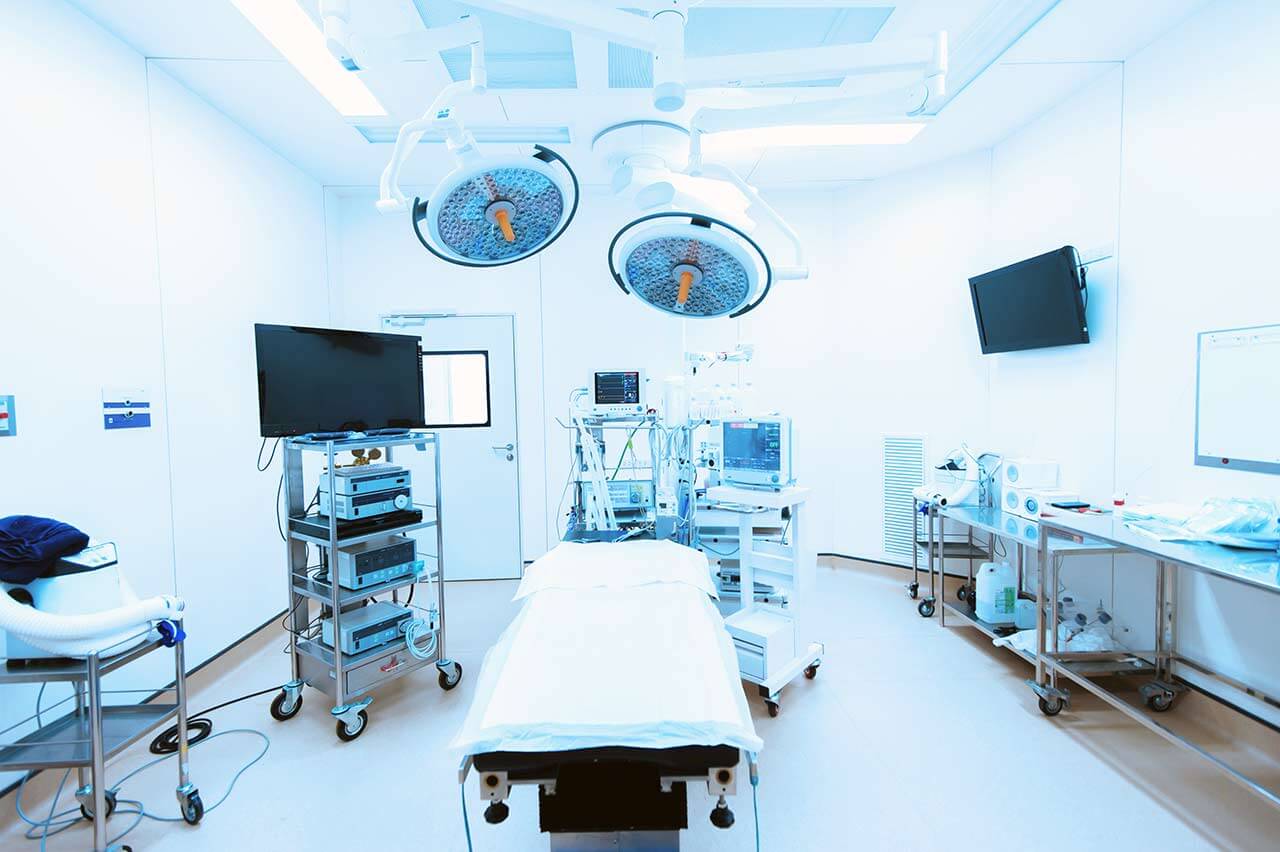
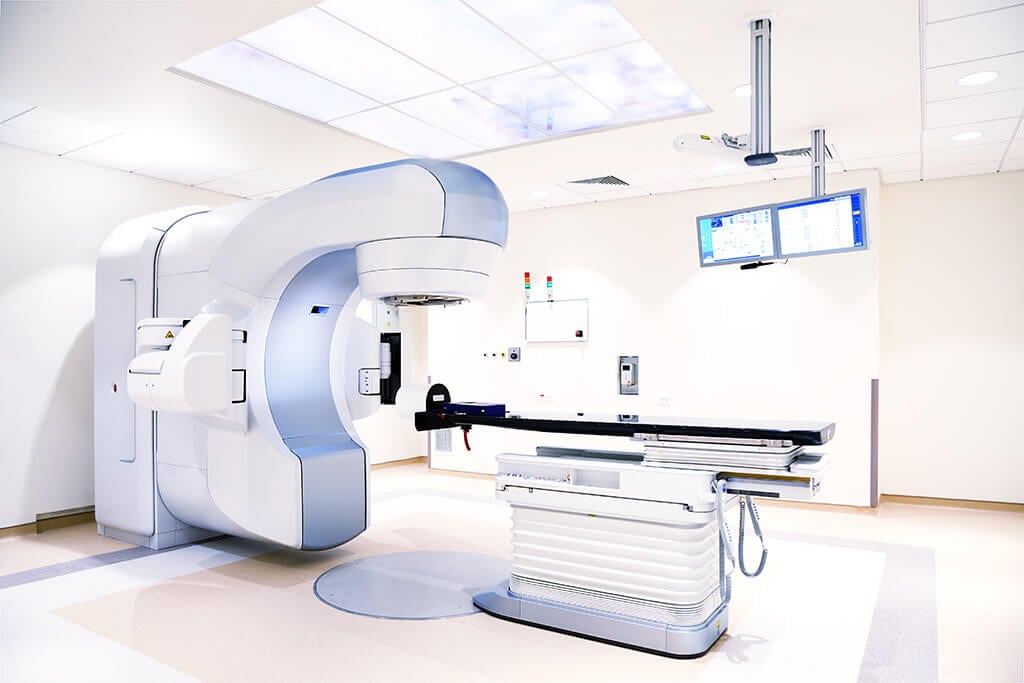
فخر المستشفى هو القاعدة التقنية المتقدمة التي تلعب دوراً مهماً في الفحوصات الدقيقة والعلاج الفعال. على سبيل المثال، تم تجهيز غرف العمليات في المستشفى وفقاً للمتطلبات الحالية للطب الأوروبي، حيث يتم إجراء معظم التدخلات الجراحية باستخدام تقنيات تجنيبية، بما في ذلك جراحة الليزر، وجراحة تنظير الصدر بمساعدة الفيديو، وتنظير المفصل، وتقنيات الجراحة من داخل والأوعية الدموية endovascular والهجينة hybrid، وما إلى ذلك.
على الرغم من البنية التحتية عالية التقنية للمستشفى، إلا أن هناك جواً من التفاهم، والتعاطف، والاحترام تجاه المرضى. يُظهر الفريق الطبي موقفاً إنسانياً تجاه المرضى ويهتم براحتهم طوال فترة العلاج بأكملها. يخصص الأطباء وقتاً كافياً للتواصل الشخصي مع المرضى، مما يجعل من الممكن مراعاة احتياجاتهم ورغباتهم الفردية أثناء العملية العلاجية.
صورة: (depositphotos (c
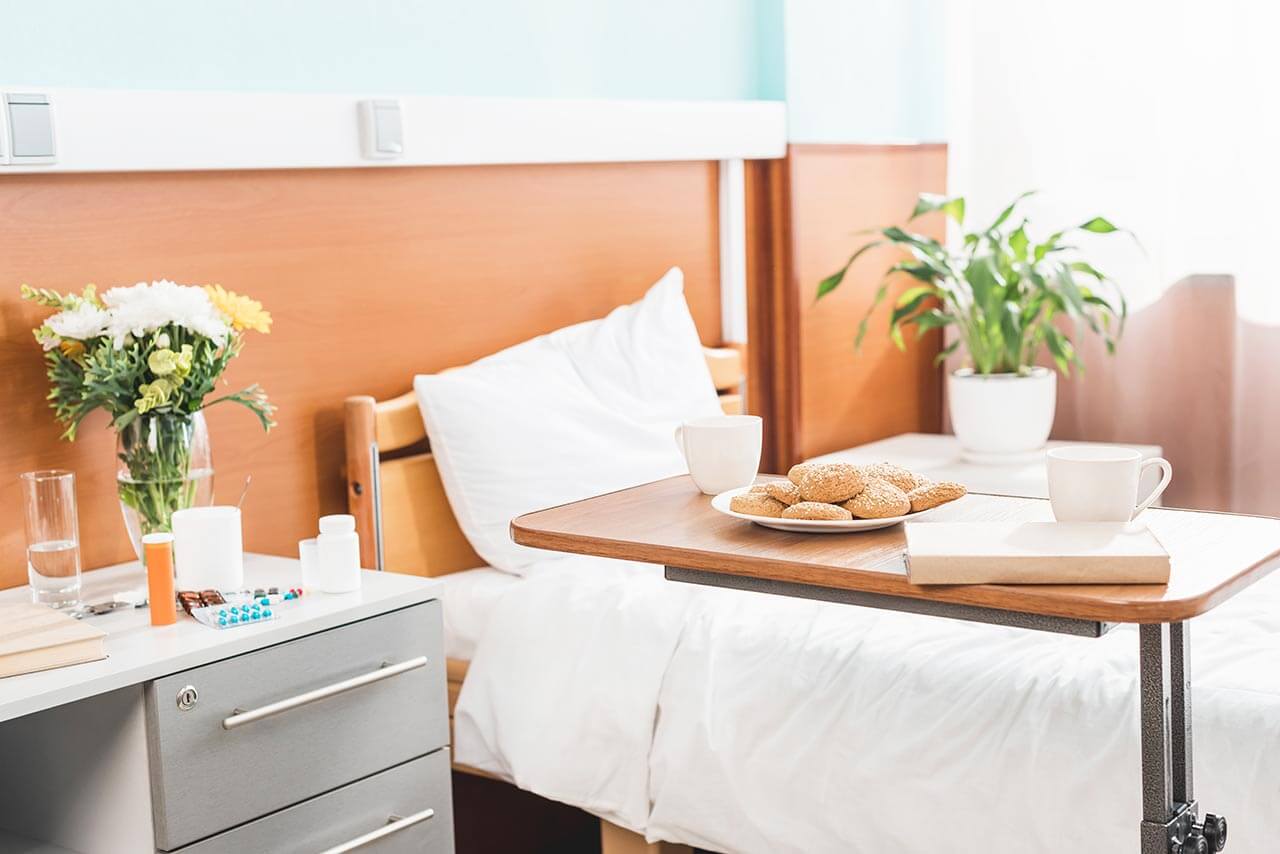
يعيش مرضى المستشفى الكاثوليكي كوبلنز مونتابور في غرف فردية ومزدوجة مريحة ذات ألوان فاتحة وتصميم حديث. تحتوي كل غرفة مريض على حمام داخلي مع دُش ومرحاض. تشتمل مفروشات غرف المرضى القياسية على سرير قابل للتعديل تلقائياً، وطاولة سرير جانبية، وخزانة ملابس، وطاولة، وكراسي لاستقبال الزوار، وتلفاز. يتم توفير الهاتف مقابل رسوم. تتوفر خدمة Wi-Fi عند الطلب.
كما يقدم المستشفى غرف راحة معززة مماثلة لمستوى فندق خمس نجوم. تتميز غرف المرضى هذه بأنها أكثر اتساعاً وتتميز بتصميم متطور. يحتوي حمام غرف الراحة المعززة على مجموعة من لوازم الاستحمام، ومناشف قابلة للتغيير، ورداء حمام.
يمكن للمريض والشخص المرافق اختيار وجبات من ثلاث قوائم يومياً. إذا كنت لسبب ما، لا تأكل جميع الأطعمة، فسيتم تقديم قائمة فردية لك. يُرجى إبلاغ طاقم التمريض بتفضيلاتك الغذائية قبل بدء العلاج.
المرضى الذين يعيشون في غرف الراحة المعززة يتم تقديم لهم إضافياً المشروبات الغازية، والقهوة، والشاي، والحلويات، والفواكه الطازجة مجاناً.
:غرف المرضى تشمل
يُقام القُداس الكاثوليكي صباح كل يوم أحد في كنيسة المستشفى. كما يتم بث القُداس على القناة التلفزيونية الداخلية للمستشفى.
قد يبقى الشخص المرافق معك في غرفة المريض الخاصة بك أو في الفندق الذي تختاره خلال برنامج المرضى الداخليين inpatient.
يمكنك الإقامة في الفندق الذي تختاره خلال برنامج العيادات الخارجية outpatient. سيدعمك مديرونا في اختيار الخيار الأفضل.