


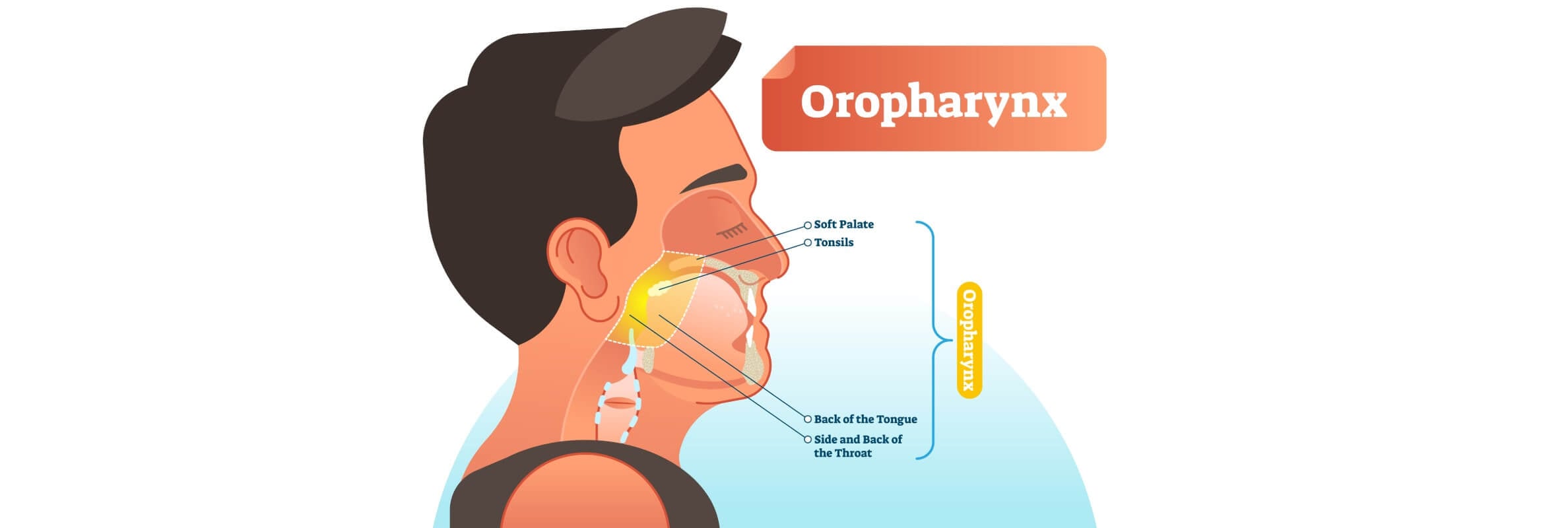
سرطان البلعوم الفموي Oropharyngeal cancer هو نوع من الأورام التي تنمو في أنسجة البلعوم الفموي وتشمل الأورام الخبيثة في اللوزتين، وقاعدة اللسان، وجدار البلعوم الخلفي، وسقف الفم. وهو جزء من مجموعة واسعة من سرطانات الرأس والرقبة (HNC) ويشترك معها في نفس الأصل النسيجي من نسيج الخلايا الحرشفية الظهارية المُبطن.
يُحتمل أن يُصاب حوالي 1.2٪ من الرجال والنساء بالسرطانات الفموية البلعومية خلال حياتهم [1]. كما يُعد هذا النوع من السرطان ذات معدل متزايد بنسبة 1٪ في عدد الحالات كل عام. الرجال أكثر عُرضةً لهذا النوع من الورم من النساء، حيث يبلغ معدل الحالات الجديدة حوالي 11.6 لكل 100.000 لدى الرجال و 6.6 لكل 100.000 لدى النساء.
يبلغ معدل البقاء على قيد الحياة لمدة 5 سنوات للسرطان الذي تم تشخيصه في مرحلة موضعية 88.4٪، مما يجعل التوقعات جيدة للمرضى إذا بدأ العلاج مبكراً [2]. ولهذا السبب يُعد نهج التشخيص المبكر ومتعدد التخصصات أمراً بالغ الأهمية. لكن عند اتباع العلاج بشكلٍ مُفرط وعدواني، يمكن أن يؤدي إلى تلف لا رجعة فيه في الصوت، وضعف التنفس، واحتمالية الحاجة إلى دعم مجرى الهواء على المدى الطويل. لذلك السبب من المهم النظر في العلاجات الحديثة التي تهدف إلى الحفاظ على الوظائف الحيوية بالإضافة إلى المظهر الجسدي لمرضى سرطان الرقبة والرأس، مما سيساعد في الحفاظ على الصوت، ووظيفة البلع، والقدرة على التنفس بشكل مستقل.
ما هو سرطان البلعوم الفموي؟
أكثر أنواع سرطان البلعوم الفموي (OPC) شيوعاً هو سرطان الخلايا الحرشفية في البلعوم الفموي (OP SCC). ينشأ من الغشاء المخاطي المُبطن للوزتين، وقاعدة اللسان، والحنك الرخو، والجدار البلعومي الخلفي. في سرطان البلعوم الفموي قيد التطور، يمكن ذكر العديد من العوامل المُسببة للسرطان مثل التدخين وتناول الكحول، لكن في الوقت الحاضر يرتبط في الغالب بفيروس الورم الحليمي البشري (HPV). وغالباً ما يرتبط سرطان البلعوم الفموي الإيجابي لفيروس الورم الحليمي البشري بنوع فيروس الورم الحليمي البشري HPV-16 وهو أقل عدوانية وأكثر حساسية للعلاج [3].
يمكن أيضاً أن تتأثر معدلات البقاء على قيد الحياة بالسلب لدى المرضى المصابين بفيروس الورم الحليمي البشري الذين يدخنون، حيث يزداد خطر إطالة أمد المرض أو حدوث نتيجة مميتة بنسبة 2٪ مع كل عام من التدخين [4]. كما أن المرضى الذين استمروا في التدخين أثناء تلقي العلاج كانوا أكثر عُرضةً للوفاة بأكثر من الضعف وزاد لديهم خطر الإصابة بورم أولي ثانٍ في منطقة الرأس والرقبة، بحوالي 1.5٪ لكل علبة سجائر في السنة.
يتم تصنيف سرطان الخلايا الحرشفية في البلعوم الفموي إلى مراحل كما يلي [5]:
- المرحلة الأولى من سرطان البلعوم الفموي. يكون حجم الورم حتى 2 سم، دون انتشار موضعي.
- المرحلة الثانية من سرطان البلعوم الفموي. يتراوح حجم الورم من 2 إلى 4 سم ولا يغزو العقد الليمفاوية.
- المرحلة الثالثة من سرطان البلعوم الفموي. يزيد حجم الورم عن 4 سم وقد انتشر إلى عقدة لمفاوية يصل قطرها إلى 3 سم على نفس الجانب.
- المرحلة الرابعة من سرطان البلعوم الفموي. تُشير إلى نمو الورم إلى الأعضاء المحيطة، مع انتشاره إلى العقد اللمفاوية البعيدة واحتمال تكوّن نقائل.
لماذا يُعد اختيار العلاج أمر بالغ الأهمية في سرطان البلعوم الفموي
العلاج لسرطان البلعوم الفموي الذي تخضع له لا يُزيد فقط من فرصك في البقاء على قيد الحياة بل يؤثر أيضاً بشكلٍ حاسم على جودة حياتك، لأن هذه المنطقة التشريحية تلعب دوراً محورياً في البلع، والكلام، والتنفس. يمكن أن تؤدي خيارات العلاج العدوانية أو المُختارة بشكلٍ سيئ إلى فقدان الصوت بشكلٍ دائم أو تغييرات في الصوت، وصعوبات التنفس، واحتمالية الحاجة إلى فَغْر الرُّغامى (فتحة تنفس في الرقبة)، بالإضافة إلى تَغيُّر مظهرك الجسدي العام. وقد يؤثر ذلك بشكلٍ كبير على جودة حياتك ويُسبب المزيد من الشعور بعدم الارتياح النفسي في معركة مُرهقة بالفعل مع السرطان. ولهذا السبب يؤكد النهج الحديث باستخدام خيارات الإدارة الجديدة على أهمية الإجراءات التي تُحافظ على العضو مع اتباع نهج فردي لكل مريض.
أساليب العلاج القياسية لسرطان البلعوم الفموي
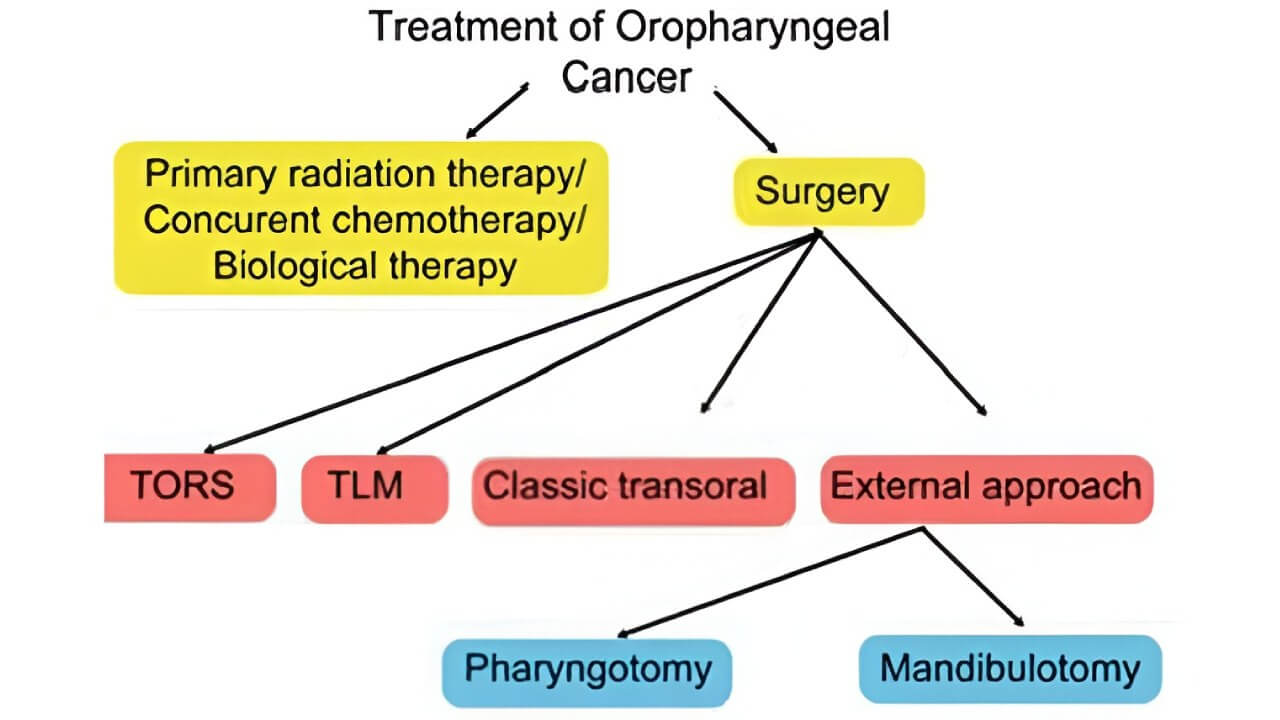
يشمل العلاج القياسي لسرطان البلعوم الفموي ما يلي [6]:
- العلاج الإشعاعي. يستخدم هذا العلاج الإشعاع لتدمير الخلايا السرطانية في موقع الورم وكذلك في العقد اللمفاوية الإقليمية. ويشمل ذلك العلاج الإشعاعي التجسيمي للجسم، الذي يوصل الإشعاع بدقة عالية.
- العلاج الكيميائي. يتم إعطاء الأدوية السامة للخلايا بشكل جهازي في مجرى الدم للقضاء على خلايا الورم والنقائل.
- الجراحة. تُزيل السرطان جسدياً مع العقد الليمفاوية ويمكن إجراؤها لسرطان البلعوم الفموي النقيلي عند الضرورة.
- العلاج الكيميائي الإشعاعي. هو مزيج من العلاج الكيميائي والعلاج الإشعاعي، مما يجعل الخلايا أكثر عُرضةً للإشعاع.
العلاج المبتكر لسرطان البلعوم الفموي
العلاج بالخلايا المتغصنة لسرطان البلعوم الفموي
تُعتبر لقاحات الخلايا المتغصنة (DCV) خياراً جديداً من خيارات العلاج الموجه توفر نهجاً شخصياً يجمع بين أحدث التقنيات المبتكرة. الخلايا المتغصنة Dendritic cells هي خلايا مناعية تتعرف أولاً على المستضدات، مثل تلك الناجمة عن الأورام الخبيثة، وتُقدمها إلى الخلايا التائية T-cells مع توجيهها لقتل الخلايا السرطانية. وهذا يسمح للخلايا المتغصنة بتعديل الاستجابة المناعية بشكل أكثر فعالية والتغلّب على التَحمُل المناعي الذي يُحدثه الورم. وقد تم الاعتراف بهذا الاكتشاف بمنحه جائزة نوبل في علم وظائف الأعضاء أو الطب في عام 2011، مما يُظهر الدور المحوري للخلايا المتغصنة في بدء وتنظيم استجابات مناعية [7].
عملية التطعيم بسيطة وشفافة. يتم عزل الخلايا المتغصنة خارج الجسم من عينة دمك، والتي يتم تنشيطها بواسطة مستضدات مرتبطة بالورم من سرطان البلعوم الفموي. وبعد ذلك، يتم حقن اللقاح مرة أخرى في جسم المريض، وتبدأ الخلايا التائية T-cells في تدمير الخلايا غير الطبيعية بنشاط، خاصةً في الأورام المرتبطة بفيروس الورم الحليمي البشري HPV، حيث يمكن أن تعمل المستضدات الفيروسية كأهداف مُثيرة للمناعة.
تسمح هذه العملية للمريض بعلاج سرطان البلعوم الفموي مع آثار جانبية محدودة واستجابة شخصية للغاية. كما يُعتبر هذا العلاج ضرورياً لأولئك الذين يرغبون في الحفاظ على وظيفة البلع والكلام.
لمعرفة المزيد عن لقاح الخلايا المتغصنة DCV، شاهد المقابلة مع البروفيسور جانسوج، الخبير في مجال التطعيم بالخلايا المتغصنة Dendritic cell vaccination. والذي يعمل في مستشفى ألماني رائد ويشرح العملية بأكملها والمؤشرات السريرية خطوة بخطوة.
البروفيسور جانسوج: ما هو التطعيم بالخلايا المتغصنة، وكيف يمكن أن يكون شفاءً لحالتك؟
العلاج الكيميائي الإقليمي لسرطان البلعوم الفموي
العلاج الكيميائي الإقليمي (RegCT) هو إجراء يرفع من مستوى وفعالية العلاج الكيميائي القياسي عن طريق توصيل جرعات عالية من الأدوية مباشرةً إلى الآفة أو النقائل [8]. يوفر هذا تركيز مُنظم للدواء حيث يتم استهداف الورم وعزل باقي الجسم، مما يُقلل من الآثار الجانبية والسُمّية الإجمالية. تم تطوير هذا الإجراء باستخدام تقنيات الأشعة التداخلية، وهي طفيفة التوغل وموجهة بالصور.
يمكن توصيل العلاج الكيميائي عبر عدة طرق:
- العلاج الكيميائي الإقليمي Regional chemotherapy عبر نظام المنفذ داخل الشرايين (i.a. port) للحقن بالتسريب قصير المدى
- الحقن بالتسريب داخل الشرايين قصير المدى عبر قسطرة وعائية
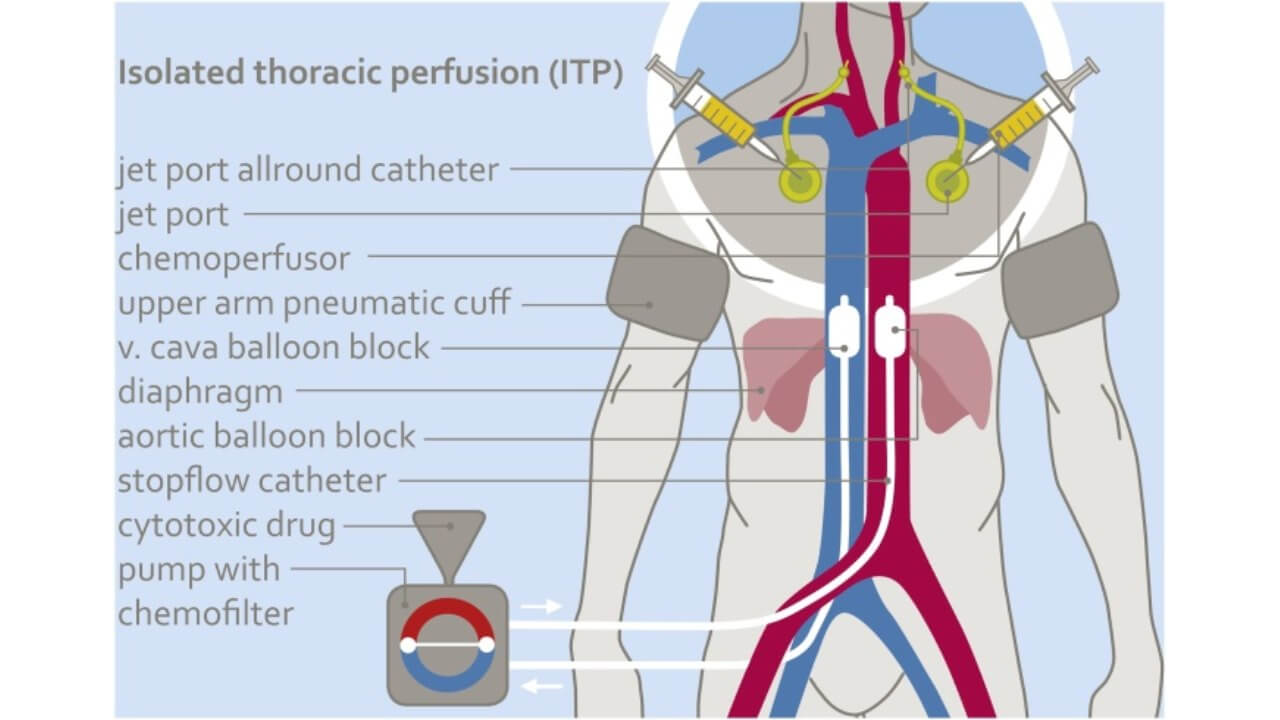
- الحقن بالتسريب داخل الشرايين قصير المدى (.i.a) عبر قسطرة المنفذ أو قسطرة وعائية بالاشتراك مع التروية الصدرية المعزولة (ITP)
يوفر هذا الإجراء الوصول إلى تجمعات الدم الشريانية في الرأس والرقبة، مما يُحقق تركيزات أعلى للدواء الموضعي، ويُعزز التأثيرات السامة للخلايا داخل البيئة المجهرية للورم والعقد الليمفاوية المصابة. وبعد ذلك، يتم إجراء الترشيح الكيميائي Chemofiltration لإزالة عوامل العلاج الكيميائي. تعمل هذه التقنية على تحسين تعافي المريض بشكلٍ كبير، وتوفر ألماً أقل من الطرق القياسية، وتُقلل من عبء الورم الإجمالي مع مستوى أقل من التوغل.
العلاج الكيميائي الكهربائي (ECT) لسرطان البلعوم الفموي
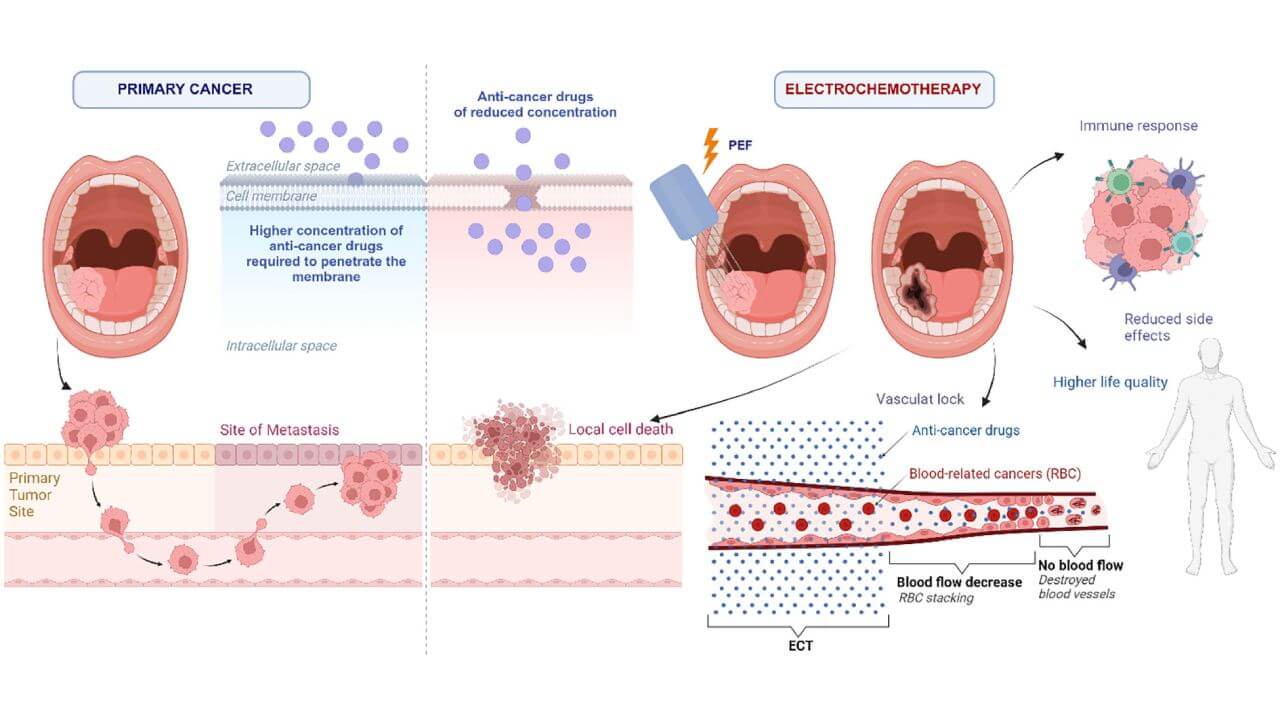
العلاج الكيميائي الكهربائي (ECT) هو طريقة جديدة لعلاج أورام الرأس والرقبة موضعياً. يجمع هذا العلاج بين أدوية العلاج الكيميائي وتطبيق نبضات كهربائية قصيرة على الورم [9]. تعمل النبضات الكهربائية على زيادة نفاذية غشاء الخلية مؤقتاً، مما يُسهل زيادة امتصاص الدواء داخل الخلايا. يتم تنفيذ هذا الإجراء بالتنظير الداخلي ويوفر نهج قيّم يُحفاظ على العضو مع القدرة على الحد من الضرر الذي يلحق بالأنسجة المحيطة، مما يؤدي إلى الحفاظ على الصوت والقدرة على التنفس والبلع. يُعد هذا الإجراء خياراً ممتازاً للسيطرة على المرض الموضعي، خاصةً في حالات الآفات السطحية، أو المتكررة، أو المُقاومة للعلاج.
الحفاظ على العضو وجودة الحياة في سرطان البلعوم الفموي
تلعب استراتيجيات الحفاظ على العضو دور محوري في الإدارة الحديثة لـ السرطان البلعومي الفموي. ويمكن اعتبار أساليب العلاج القياسية مثل الجراحة، والعلاج الإشعاعي، والعلاج الكيميائي فعالة ضمن الأساليب العلاجية المعتمدة في علاج الأورام، ولكنها غالباً ما ترتبط بضعف وظيفي. فقد يؤدي الاستئصال الجراحي المُفرط لأورام البلعوم الفموي إلى حدوث اضطراب الهياكل التشريحية المهمة للقدرة على البلع والتنفس، لذا من غير المناسب اعتباره طريقة العلاج الوحيدة. كما يمكن أن تتسبب علاجات أخرى في تليف أو ضعف عصبي عضلي، ونتيجةً لذلك قد يحتاج المريض إلى فغر المعدة، أو فَغْر الرُّغامى، أو غيرها من وسائل الدعم الغذائي أو التنفسي.
ولهذا السبب فإن العلاجات الجديدة مثل العلاج الكيميائي الإقليمي Regional chemotherapy أو العلاج الكيميائي الكهربائي Electrochemotherapy تُركز على توصيل الأدوية فقط إلى منطقة الورم، مما يحد من إصابة الأنسجة المحيطة ويُقلل من الضرر الهيكلي. وهذا لا يُحافظ على الوظيفة فحسب، بل يُحافظ أيضاً على المظهر الجمالي لمرضى سرطان الحلق، دون أي تأثير يُذكر على جودة حياته وراحته النفسية.
| الآثار الجانبية | المدة | معدل الاستجابة في المرحلة الرابعة | |
|---|---|---|---|
| العلاج بالخلايا المتغصنة | طفيفة جداً (تُشبه أعراض الإنفلونزا) | إجراء لمرة واحدة | ٪80 |
| العلاج الكيميائي القياسي | شديدة (غثيان، وتساقط الشعر) | عدة دورات | أقل من 10٪ |
*بيانات Booking Health
استراتيجيات العلاج لسرطان البلعوم الفموي المتكرر أو المتقدم
يتطلب تقييم وعلاج سرطان البلعوم الفموي المتكرر والمتقدم استراتيجية علاجية وشخصية معقدة للغاية. في المرحلة الرابعة من السرطان البلعومي الفموي، يكون معدل البقاء على قيد الحياة لمدة خمس سنوات قريب من 36.9٪، مما يُبرز أهمية اتخاذ قرارات مناسبة في إدارة الورم. وينبغي أن يعتمد التخطيط لعلاج السرطان البلعومي الفموي على فرق متعددة التخصصات، مع مراعاة العلاجات السابقة.
ينتشر سرطان البلعوم الفموي موضعياً إلى الأنسجة المحيطة مثل عظم الفك، أو الجلد، أو الغدد اللعابية وينتقل عبر الجهاز اللمفاوي إلى العقد اللمفاوية في الرقبة. من المهم في مرحلة سرطان البلعوم الفموي النقيلية تحديد موضع الورم ومنع انتشاره مع السعي إلى القضاء على السرطان. ترتبط الإجراءات الجراحية الجذرية في هذه المرحلة بانخفاض كبير في جودة الحياة والمضاعفات، بما في ذلك اضطرابات النطق والبلع [6].
في هذه المرحلة، يمكن لخيارات العلاج المبتكرة، مثل العلاج المناعي بالخلايا المتغصنة Dendritic cell، توفير سيطرة ملحوظة على الآفة حتى بالنسبة لـ الأورام النقيلية، وفي بعض الحالات، استئصال كامل دون أي انقطاعات وظيفية، مما يُجنب المريض إعادة التأهيل المعقدة والإجراءات الداعمة الإضافية.
| أساليب العلاج | ألمانيا | الولايات المتحدة الأمريكية | بريطانيا العظمى | أستراليا |
|---|---|---|---|---|
| الجراحة | 25.000 € - 45.000 € | 65.000 € - 85.000 € | 35.000 € - 55.000 € | 30.000 € - 50.000 € |
| العلاج الكيميائي | 80.000 € - 150.000 € دورة كاملة | 100.000 € - 180.000 € دورة كاملة | 90.000 € - 165.000 € دورة كاملة | 50.000 € - 200.000 € دورة كاملة |
| العلاج الكيميائي الإقليمي | 45.000 € | 40.000 € - 100.000 € | 25.000 € - 45.000 € | 30.000 € - 150.000 € |
| العلاج بالخلايا المتغصنة | 20.000 € - 38.000 € | 100.000 € - 150.000 € | غير متوفر | غير متوفر |
*قد تختلف الأسعار حسب مسار العلاج وخصائص الورم
الاتجاهات المستقبلية في علاج سرطان البلعوم الفموي في الخارج
تستند الإدارة المستقبلية لسرطانات البلعوم الفموي على اعتماد علاجات جديدة متقدمة كما هو معمول به في مراكز علاج السرطان في ألمانيا. تُقدم هذه المستشفيات ما يلي:
- خطة علاج شخصية متعددة التخصصات بناءً على النوع النسيجي للورم، وحالة فيروس الورم الحليمي البشري HPV، ونتائج التصوير المقطعي بالإصدار البوزيتروني PET.
- الإجراءات التي تُحافظ على العضو مثل العلاج الكيميائي الإقليمي أو الجراحة طفيفة التوغل، مثل الجراحة الروبوتية عبر الفم.
- التقنيات الإشعاعية المتقدمة مع إمكانية إجراء العلاج الإشعاعي الكيميائي.
- العلاج المناعي بالخلايا المتغصنة، الذي يهدف إلى توفير مناعة مدى الحياة ضد السرطان.
- المعدات الجديدة والمتطورة وبرامج إعادة التأهيل الشاملة.
- الدعم والتنسيق في كل خطوة على الطريق.
تلعب هذه الجوانب دوراً مهماً في رحلة علاج المريض وتُسهم في رسم ملامح مستقبل إدارة الأورام ووضع معايير عالية لمراكز العلاج الأخرى.
قصص مرضى سرطان البلعوم الفموي
في الغالب، إذا تم تشخيص المرضى بسرطان الفم، يشعرون بالضياع في جميع خيارات العلاج ويخشون طلب المساعدة بسبب الآثار الجانبية والفقدان الوظيفي الذي قد يحدث عادةً. لذا فمن الضروري إيجاد الفريق الطبي المناسب الذي سيعمل بما يخدم مصالحك على أفضل وجه ويرشدك خلال العلاج مع تقديم دعم كامل واتباع نهج شخصي.
إحدى الحالات التوضيحية تتعلق بامرأة تبلغ من العُمر 47 عاماً شُخِّصت بالمرحلة الرابعة من الورم العدواني في قاعدة اللسان [10]. كانت هي وعائلتها في حالةً يُرثى لها وكانوا مُستعدين لما هو أسوأ. نُصحت بالخضوع للجراحة التي من شأنها أن تؤثر على قدرتها على الكلام والبلع. لكن اتصلت المريضة بإحدى أفضل المستشفيات في ألمانيا لعلاج سرطانات الرقبة والرأس وتمكنت من تلقي العلاج الكيميائي داخل الشرايين عبر الشرايين السباتية اليسرى واليمنى. وبعد ثلاث دورات فقط من التروية الصدرية المعزولة مع الترشيح الكيميائي، أظهرت فحوصات المتابعة والتحكم عدم وجود ورم قابل للكشف، والآن، وبعد مرور أكثر من أربع سنوات، هي في حالة هدأة تامة، وتستمتع بحياتها وتقضي وقتها مع عائلتها.
رحلة طبية: كل خطوة على الطريق مع Booking Health
يُعد إيجاد أفضل استراتيجية علاج لحالتك الصحية مُهمةً صعبة. فكونك مُرهقاً بالفعل من جلسات العلاج المتعددة، واستشارة العديد من المتخصصين، وتجربة تدخلات علاجية مختلفة، قد تشعر بالضياع وسط كم المعلومات التي يُقدّمها الأطباء. في مثل هذه الحالة، من السهل اختيار خيار مباشر أو اتباع بروتوكولات علاجية موحدة ذات قائمة طويلة من الآثار السلبية بدلاً من اختيار خيارات علاج مبتكرة عالية التخصص.
لاتخاذ قرار مُستنير والحصول على خطة شخصية لإدارة السرطان، والتي سيتم تصميمها لتُناسب حالتك السريرية المُحددة، استشر الخبراء الطبيين في Booking Health. نظراً لكونها في طليعة تقديم أحدث الابتكارات الطبية لمدة 12 عاماً بالفعل، تتمتع Booking Health بخبرة قوية في إنشاء برامج معقدة لإدارة السرطان في كل حالة فردية. وبصفتها شركة مرموقة وموثوقة، تقدم Booking Health خطط علاج شخصية لسرطان البلعوم الفموي مع حجز مباشر للمستشفى ودعم كامل في كل مرحلة، بدءاً من العمليات التنظيمية وحتى المساعدة أثناء العلاج. نحن نقدم:
- تقييم وتحليل التقارير الطبية
- تطوير برنامج الرعاية الطبية
- اختيار موقع العلاج المناسب
- إعداد الوثائق الطبية وإرسالها إلى المستشفى المناسب
- الاستشارات التحضيرية مع الأطباء لتطوير برامج الرعاية الطبية
- نصائح الخبراء أثناء الإقامة في المستشفى
- رعاية المتابعة بعد عودة المريض إلى بلده الأصلي بعد إكمال برنامج الرعاية الطبية
- الاهتمام بالإجراءات الرسمية كجزء من التحضير لبرنامج الرعاية الطبية
- تنسيق وتنظيم إقامة المريض في بلد أجنبي
- المساعدة في الحصول على التأشيرات وتذاكر السفر
- مُنسق شخصي ومترجم فوري مع دعم على مدار الساعة 24/7
- ميزانية شفافة بدون تكاليف خفية
الصحة جانب لا يُقدر بثمن في حياتنا. ينبغي تفويض إدارة شيء هش للغاية ولكنه ثمين فقط إلى خبراء يتمتعون بخبرة مُثبتة وسمعة طيبة. تُعد Booking Health شريك جدير بالثقة يساعدك في الحصول على صحة أقوى وجودة حياة أفضل. اتصل بمستشارنا الطبي لمعرفة المزيد عن إمكانيات العلاج الشخصي باستخدام طرق مبتكرة لعلاج السرطان البلعومي الفموي مع أفضل المتخصصين الرائدين في هذا المجال.
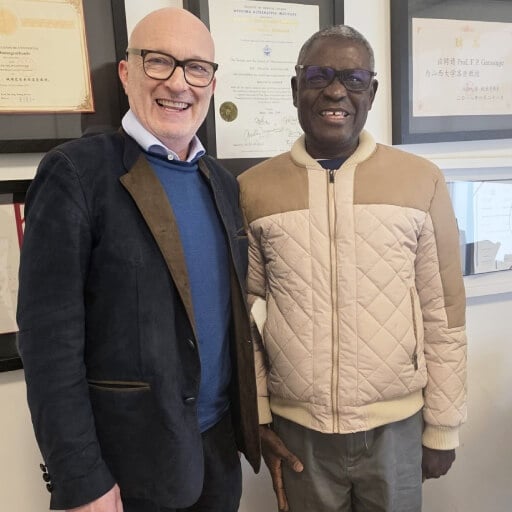
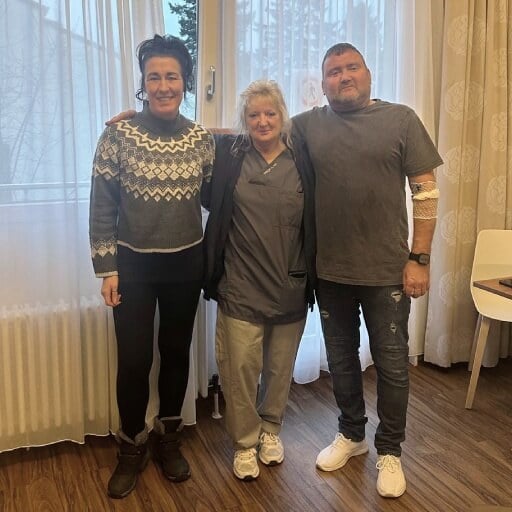
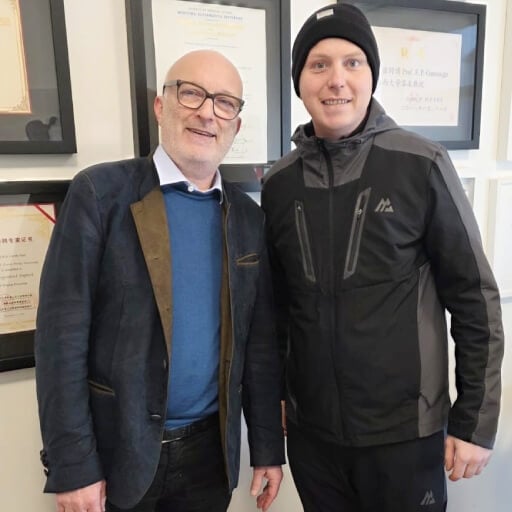
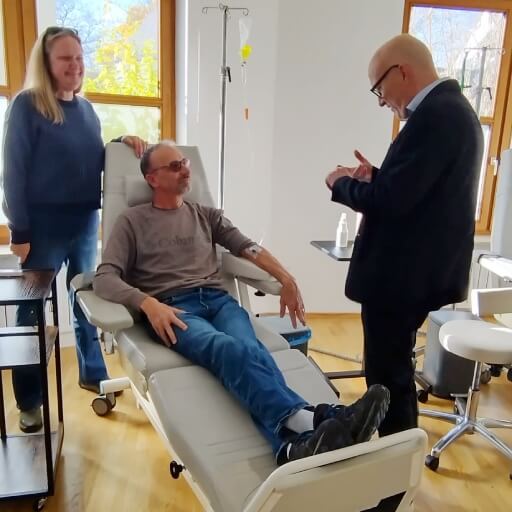
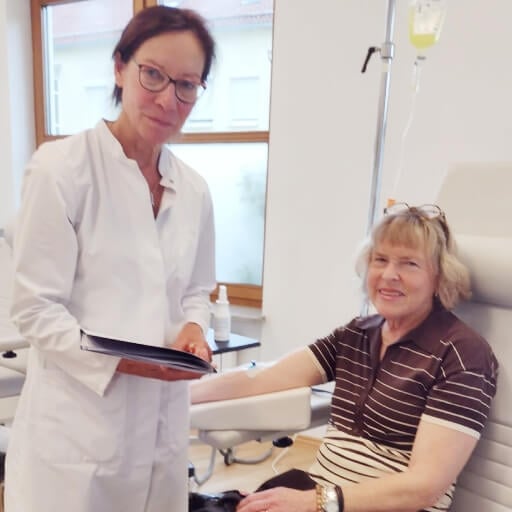
العلاج الحديث للسرطان: رحلات المرضى مع Booking Health
الأسئلة الشائعة حول سرطان البلعوم الفموي
أرسل طلب للعلاجنعم، يمكن شفاء سرطانات البلعوم الفموي، خاصةً عند تشخيصها في مرحلة مبكرة.
يبلغ معدل البقاء على قيد الحياة لمدة خمس سنوات للسرطان الذي تم تشخيصه في مرحلة موضعية 88.4٪، وما يُقارب 36.9٪ للحالات المتقدمة.
في الوقت الحاضر، أصبح السبب الرئيسي لمعظم سرطانات البلعوم الفموي هو عدوى HPV، خاصةً النوع 16، ولكن يظل التدخين أو شرب الكحوليات عامل خطر مهم.
يعتمد شفاء السرطان الفموي البلعومي على نوع الورم، حيث تستجيب السرطانات الإيجابية لفيروس الورم الحليمي البشري للعلاج بشكلٍ أفضل. ومع اتباع نهج شخصي، يمكن للمرضى تحقيق هدأة تامة والحفاظ على جودة حياتهم.
بالنسبة لمعظم الناس، تكون الاحتمالية منخفضة، لكن احتمالية الإصابة تزداد مع العدوى المستمرة وفي وجود عوامل الخطر الأخرى، مثل التدخين بشراهة.
يعتمد أفضل علاج لسرطان البلعوم الفموي على حالتك المحددة، ولكنه يشمل عادةً أساليب علاجية مبتكرة مثل التطعيم بالخلايا المتغصنة Dendritic cell vaccination الذي يُحافظ على وظيفة العضو.
نعم، يمكن علاج سرطان البلعوم الفموي بدون جراحة كبرى في بعض الحالات. يشمل العلاج المُحافظ على العضو لسرطان البلعوم الفموي العلاج المناعي، أو العلاج الكيميائي الموضعي، أو تقنيات الجراحة طفيفة التوغل التي تتجنب الجراحة الجذرية.
يهدف العلاج بالخلايا المتغصنة لسرطان البلعوم الفموي إلى تحفيز استجابتك المناعية ضد الورم، حيث يكون العلاج شخصي للغاية وبأقل قدر من الآثار الجانبية.
العلاج الكيميائي الإقليمي لسرطان البلعوم الفموي هو علاج يقوم بتوصيل أدوية العلاج الكيميائي مباشرةً إلى منطقة الورم مع الحد من الآثار الجانبية على الأنسجة السليمة في جسمك.
العلاج الكيميائي الكهربائي ECT لسرطان البلعوم الفموي هو طريقة تجمع بين العلاج الكيميائي ونبضات كهربائية لاستهداف الورم، مما يسمح بتوصيل جرعات أعلى من الدواء إلى خلايا سرطانية مُحددة.
نعم، الحفاظ على جودة الحياة لمرضى السرطان الفموي البلعومي يُعد أحد الأهداف الرئيسية للعلاجات المبتكرة لـ المرضى الذين يتم علاجهم من سرطان البلعوم الفموي. وبفضل الاستخدام الموضعي والتخصيص العالي، يُمكن لهذه العلاجات الحفاظ على النطق والبلع حتى في حالات انتشار السرطان وفي حالات السرطان المتكرر.
يشمل علاج سرطان البلعوم الفموي الإيجابي لفيروس الورم الحليمي البشري علاجات مبتكرة، ويتميز باستجابة عالية للعلاج. على سبيل المثال، يمكن أن يكون العلاج المناعي بالخلايا المتغصنة فعالاً بشكلٍ خاص ضد خلايا سرطان البلعوم الفموي، لأن المستضدات الفيروسية يمكن أن تعمل كأهداف مناعية.
اختر العلاج في الخارج وستحصل بالتأكيد على أفضل النتائج!
المؤلفون:
تم تحرير المقال من قبل خبراء طبيين وأطباء معتمدين من مجلس الأطباء الدكتورة ناديجدا إيفانيسوفا و الدكتورة يانا دميتريشين. لعلاج الحالات المشار إليها في المقال، يجب استشارة الطبيب؛ المعلومات الواردة في المقالة ليست مخصصة للتطبيب الذاتي!
سياستنا التحريرية، التي توضح بالتفصيل التزامنا بالدقة والشفافية، متاحة هنا. انقر على هذا الرابط لمراجعة سياساتنا.
المصادر:
[1] National Cancer Institute. Cancer Stat Facts: Oral Cavity and Pharynx Cancer.
https://seer.cancer.gov/statfacts/html/oralcav.html
[2] Francesca De Felice, Laia Humbert-Vidan, Mary Lei, Andrew King, Teresa Guerrero Urbano. Analyzing oropharyngeal cancer survival outcomes: a decision tree approach. Br J Radiol. 2020 May 21;93:20190464. doi: 10.1259/bjr.20190464. [DOI] [PMC free article]
[3] Allen M Chen. The epidemic of human papillomavirus virus-related oropharyngeal cancer: current controversies and future questions. Infect Agent Cancer. 2024 Nov 28;19:58. doi: 10.1186/s13027-024-00616-0. [DOI] [PMC free article]
[4] Maura L Gillison, Qiang Zhang, Richard Jordan et al. Tobacco smoking and increased risk of death and progression for patients with p16-positive and p16-negative oropharyngeal cancer. J Clin Oncol. 2012 Jun 10;30(17):2102-11. doi: 10.1200/JCO.2011.38.4099. Epub 2012 May 7. [DOI] [PubMed]
[5] Vincent Grégoire, Kévin Quintin, Florence Huguet et al. Management of oropharyngeal squamous cell carcinoma: 2025 updatePrise en charge des carcinomes épidermoïdes de l’oropharynx : mise à jour 2025. Cancer/Radiothérapie. Volume 29, Issues 7–8, November–December 2025, 104776. [DOI]
[6] Wojciech Golusiński, Ewelina Golusińska-Kardach. Current Role of Surgery in the Management of Oropharyngeal Cancer. Front Oncol. 2019 May 24;9:388. doi: 10.3389/fonc.2019.00388. [DOI] [PMC free article]
[7] Ralph M Steinman. Dendritic cells: understanding immunogenicity. Eur J Immunol. 2007 Nov:37 Suppl 1:S53-60. doi: 10.1002/eji.200737400. [DOI] [PubMed]
[8] Karl R Aigner, Emir Selak, Kornelia Aigner. Short-term intra-arterial infusion chemotherapy for head and neck cancer patients maintaining quality of life. J Cancer Res Clin Oncol. 2019 Jan;145(1):261-268. doi: 10.1007/s00432-018-2784-4. Epub 2018 Oct 31. [DOI] [PubMed]
[9] Arnoldas Morozas, Veronika Malyško-Ptašinskė, Julita Kulbacka et al. Electrochemotherapy for head and neck cancers: possibilities and limitations. Front. Oncol., 15 February 2024. Sec. Head and Neck Cancer Volume 14 - 2024 | https://doi.org/10.3389/fonc.2024.1353800. [DOI]
[10] Karl R. Aigner, Emir Selak, Kornelia Aigner. 55 Monate nach regionaler Chemotherapie eines fortgeschrittenen Zungengrundkarzinoms / Lasting complete remission with unimpaired quality of life. Onkologische Welt. 2022 Oct 24;13(04):238–241. doi:10.1055/a-1789-0614. [DOI]
اقرأ:
دليل شامل لسرطانات الرأس والرقبة