:في البرنامج ما يلي
- Initial presentation in the clinic
- clinical history taking
- physical examination
- neurological examination
- laboratory tests:
- complete blood count
- general urine analysis
- biochemical analysis of blood
- TSH-basal, fT3, fT4
- tumor markers
- indicators blood coagulation
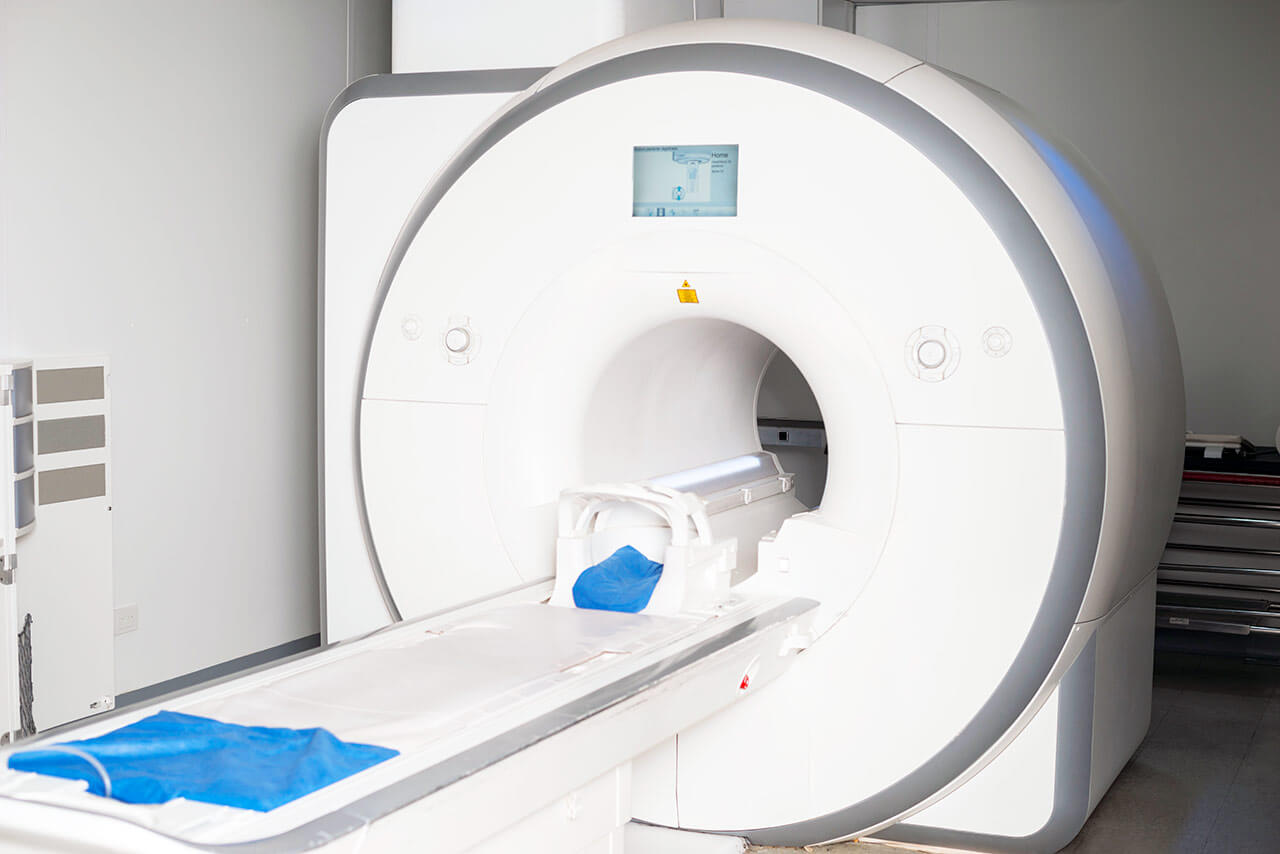
- CT/MRI of head
- radiotherapy full course
- control MRI scan
- nursing services
- services of all leading experts
- explanation of individual treatment plan
الوثائق اللازمة
- التقارير الطبية ذات الصلة
- تصوير مقطعي محوسب/تصوير بالرنين المغناطيسي (لم يمضِ عليه أكثر من 3 أشهر)
- نتائج الخزعة (إن وجدت)
الخدمات
يمكنك أيضا حجز
BookingHealth يبدأ السعر من:
عن القسم
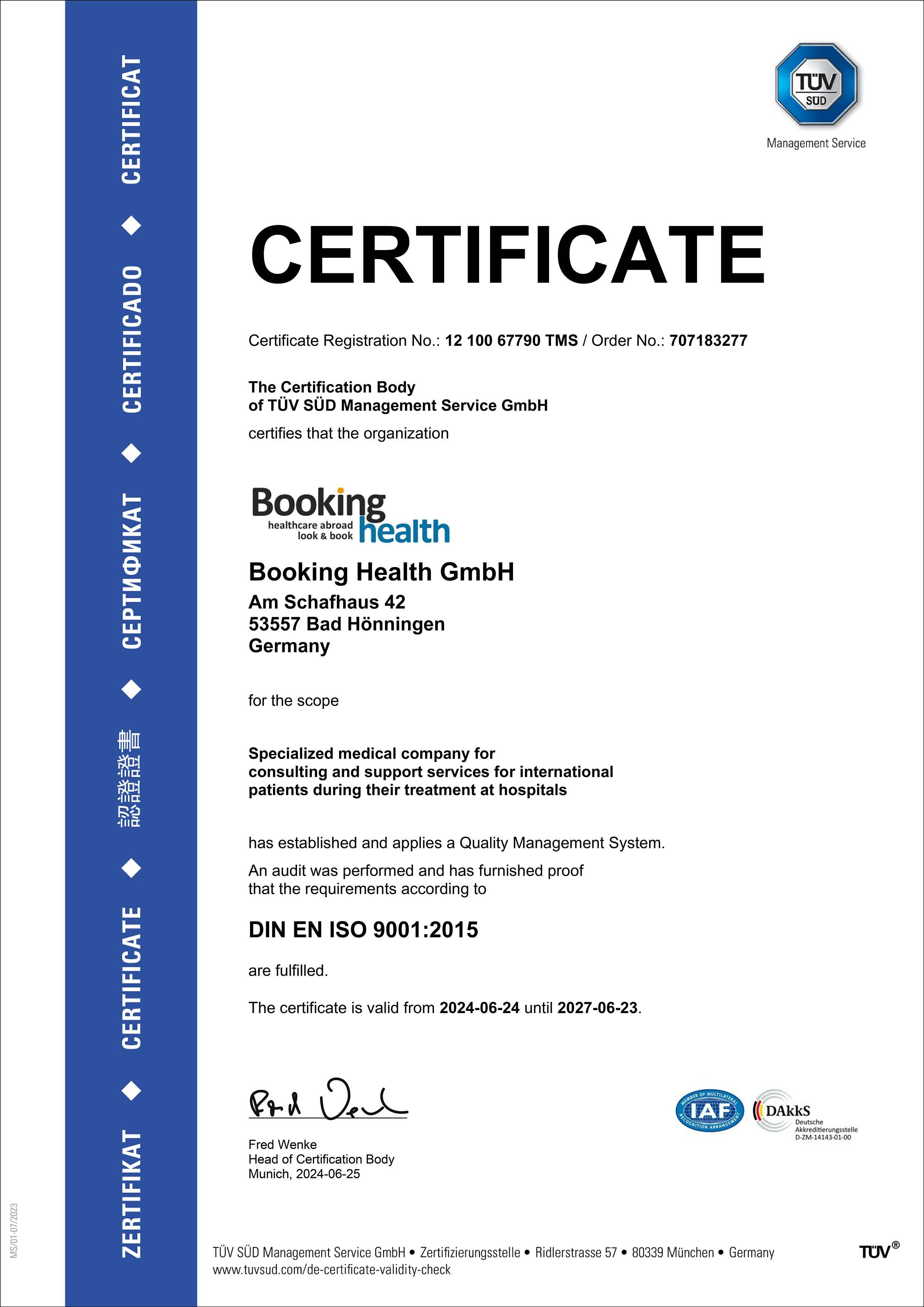
The Department of Radiation Therapy at the Nuremberg Hospital offers the full range of medical services in the field of its competence. Modern radiation therapy techniques are available here for treating both malignant and benign diseases. In most cases, the doctors at the medical facility conduct intensity-modulated radiation therapy (IMRT), image-guided radiation therapy (IGRT), and stereotactic radiation therapy. The department also successfully combines radiation therapy and hyperthermia for sarcoma treatment. Radiation therapy is conducted with the use of state-of-the-art equipment, including the advanced systems of the world's leading companies such as Varian and Siemens. Prior to any irradiation procedure, thorough planning using advanced imaging systems is made. The department is certified in compliance with DIN EN ISO 9001:2015 standards and the requirements of the German Cancer Society (DKG). More than 60,000 radiation therapy sessions are performed here every year, so patients can be sure that they trust their health to true professionals. The department's doctors always devote enough time to personal communication with the patient and explain in detail the upcoming treatment and its expected outcomes. The department is headed by Dr. med. Clemens Albrecht.
The department's specialists regularly perform intensity-modulated radiation therapy. This type of irradiation is a standard treatment for patients with lung cancer, prostate cancer, breast cancer, and head and neck tumors. Intensity-modulated radiation therapy is highly accurate because it allows doctors to adjust the intensity of the radiation dose for a specific irradiated area. Consequently, this method allows the department's doctors to direct the maximum radiation dose to the cancer focus while practically not damaging the adjacent healthy tissues, which significantly increases the patient's chances for a successful treatment outcome. Before starting intensity-modulated radiation therapy, CT scanning is used to plan the course of treatment. The procedure is quite fast and painless.
Another highly demanded treatment method in the department is image-guided radiation therapy (IGRT). This modern irradiation option is also highly effective for treating lung cancer, prostate cancer, breast cancer, head and neck tumors, etc. IGRT is performed using a linear accelerator equipped with imaging systems, which allows the department's physicians to obtain a real-time image of the tumor just before the irradiation or even during the session when the patient is on the treatment table. During the therapeutic procedure, a special computer program is used to compare the generated real-time images with the images obtained during the simulation. Thus, the specialist can adjust the patient's position on the treatment table and precisely target the beams at the tumor, ensuring its effective destruction. The IGRT irradiation technique is highly precise, so the healthy tissues surrounding the tumor are almost not affected.
Another important area of competence of the department's specialists is stereotactic radiation therapy. The treatment method involves the use of a single high-dose irradiation, which is most often indicated for patients with lung cancer, liver cancer, and brain cancer. The main benefit of stereotactic radiation therapy is the ability to deliver a high dose of radiation to the oncological focus in just one or several sessions. Despite delivering a high radiation dose to the tumor, there is almost no negative impact on the adjacent healthy tissues, due to which this type of irradiation provides not only high efficiency in the fight against cancer but also high safety of treatment.
The department specializes in the treatment of the following diseases:
- Malignant diseases
- Lung cancer
- Colon cancer
- Pancreatic cancer
- Stomach cancer
- Esophageal cancer
- Liver cancer
- Skin cancer
- Breast cancer
- Female reproductive system cancers
- Prostate cancer
- Brain cancer
- Head and neck tumors
- Benign diseases
- Arthrosis
- Heel spur
- Tennis elbow
- Other pathologies
The department's therapeutic options include:
- Intensity-modulated radiation therapy (IMRT)
- Volumetric modulated arc therapy (VMAT)
- Image-guided radiation therapy
- Stereotactic radiation therapy
- Radiation therapy combined with hyperthermia for the treatment of sarcomas
- Other types of radiation therapy
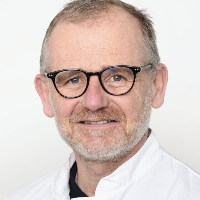
Photo of the doctor: © Nordstrahl Praxis für Strahlentherapie
معلومات عن المشفى
وفقًا لمجلة Focus ذات السمعة الطيبة، فإن المستشفى الأكاديمي نورنبرغ يُصنف ضمن أفضل المؤسسات الطبية في ألمانيا!
تنتمي المستشفى إلى أكبر المراكز الطبية المتخصصة للغاية في أوروبا، وتضع نفسها أيضاً على أنها مستشفى رعاية قصوى. يضم المستشفى 42 قسماً ومعهداً ومركزاً متخصصاً من مختلف المجالات الطبية. يتعاون جميع العاملين في المستشفى عن كثب لصالح المرضى. علاوة على ذلك، وبالإضافة إلى الرعاية الطبية من الدرجة الأولى على أعلى المستويات العلمية والتقنية، يتم إعطاء الأولوية لاحترام وفهم احتياجات المريض والدعم المعنوي في جميع مراحل العملية العلاجية.
في المجموع، يوجد بالمستشفى 2.206 سرير (في حرمين جامعيين - "نورد" و "سود"). يتكون الفريق الطبي من 7.000 موظف، يخدمون سنوياً حوالي 10.0000 مريض داخلي و 170.000 مريض خارجي. يتزايد عدد المرضى الذين يزورون المستشفى بشكل مطرد سنوياً، وهو أفضل تأكيد على المعايير العالية ونتائج العلاج المتميزة.
حجر الزاوية للممارسة السريرية الناجحة هو أحدث قاعدة تقنية. يتم تقديم تقنيات مبتكرة لمرضى المستشفى مثل نظام دافنشي الجراحي، وأنظمة الإجراءات التجسيمية، والعلاج الإشعاعي أثناء الجراحة، وتصوير الأوعية، وأجهزة التصوير المقطعي بالإصدار البوزيتروني، والموجات فوق الصوتية المركزة عالية الكثافة، والتصوير المقطعي المحوسب - 64 شريحة وغيرها من الأجهزة الطبية المتطورة.
وبالتالي، فإن المستشفى لديها جميع الموارد اللازمة، بما في ذلك الموظفين الأكفاء والبنية التحتية الحديثة، لتوفير التشخيصات عالية الدقة والعلاج الفعال والرعاية الودية للمرضى.
depositphotos (c) :الصورة
الإقامة في المشفى
غرف المرضى
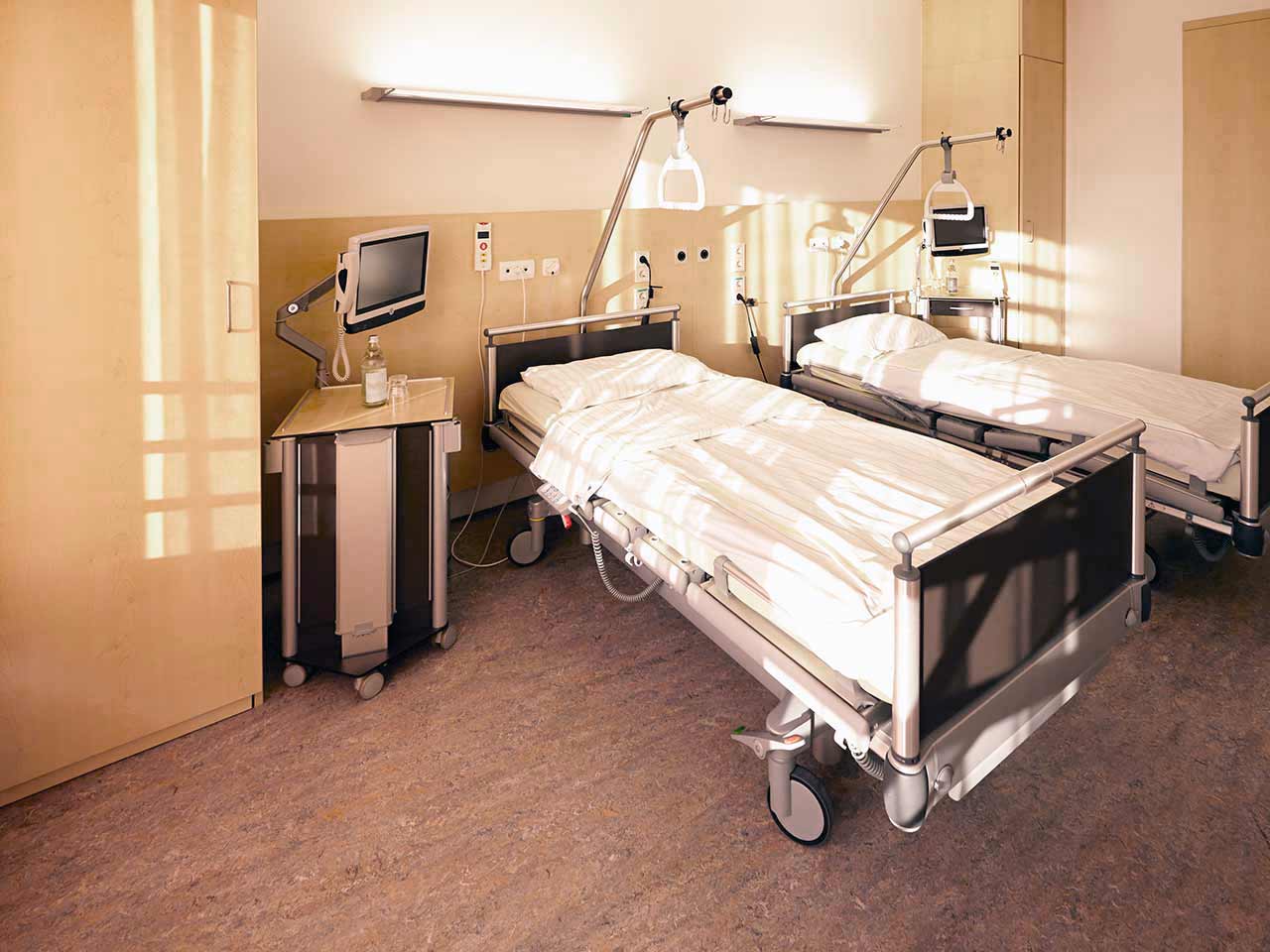
يعيش مرضى المستشفى الأكاديمي نورنبرغ في غرف مريحة منفردة ومزدوجة ورباعية. تم تجهيز كل غرفة بحمام خاص مع دش ومرحاض. تحتوي الغرف القياسية على سرير قابل للتعديل تلقائياً، وطاولة بجانب السرير، وخزانة ملابس لتخزين الملابس وطاولة وكراسي لاستقبال الزوار وتلفزيون وراديو. توفر المستشفى أيضاً خدمة الواي فاي.
قائمة المطاعم - وجبات الطعام
يقدم لمرضى المستشفى ثلاث وجبات شهية ومتوازنة في اليوم: الإفطار والغداء والعشاء. وعلى أساس يومي، يمكن للمرضى الاختيار من بين ثلاثة أطباق للغداء والعشاء، ويتم تقديم الإفطار على طراز البوفيه.
إذا كنت لا تأكل طعاما معيناً لسبب ما، فسيتم تقديم قائمة فردية لك. يرجى إبلاغ الطاقم الطبي بتفضيلاتك الغذائية قبل العلاج.
تفاصيل إضافية
:تشمل الغرف القياسية
الشخص المرافق
Your accompanying person may stay with you in your patient room or at the hotel of your choice during the inpatient program.
فندق
خلال برنامج العيادات الخارجية، يمكنك الإقامة في الفندق الذي تختاره. سيساعدك مديرينا على اختيار الخيار الأنسب.